
Neuroaffirming Testing
Respecting Differences. Supporting Strengths. Empowering Growth.
At KindMind Assessments, we believe that every brain is unique, and that’s something to be celebrated. Our neuroaffirming approach to psychological testing is grounded in the belief that neurological differences such as autism, ADHD, and learning disabilities are natural variations of the human experience, not deficits to be fixed.

What is Neuroaffirming Testing?
Neuroaffirming testing means approaching evaluations with:
Respect for identity: We don’t pathologize traits that are simply different from the norm. Instead, we focus on understanding how an individual thinks, feels, learns, and experiences the world.
Strengths-based insight: Alongside areas of need, we highlight cognitive strengths, talents, and personal interests to inform personalized supports.
Collaborative process: We listen to individuals and families throughout the evaluation process. Your lived experience matters, and it helps guide our recommendations.

Who is it For?
Neuroaffirming evaluations are especially helpful for:
Children, teens, and adults seeking clarity around autism, ADHD, learning differences, or twice-exceptionality (2e)
Parents and families who want a deeper understanding of their child, along with practical guidance and advocacy tools for home, school, and community settings
Teens and young adults navigating school transitions, accommodations, or planning next steps
Adults exploring autism or ADHD later in life
Individuals and families who have had negative, confusing, or invalidating past assessment experiences and are seeking a more respectful, affirming process

What to Expect
Our evaluation process is designed to be:
Gentle and person-centered
Flexible and sensory-aware
Rooted in trust, compassion, and collaboration
We adapt our environment and approach to support comfort and communication. This includes accommodating alternative communication styles, social anxiety, sensory needs, and the need for breaks or added structure during testing.
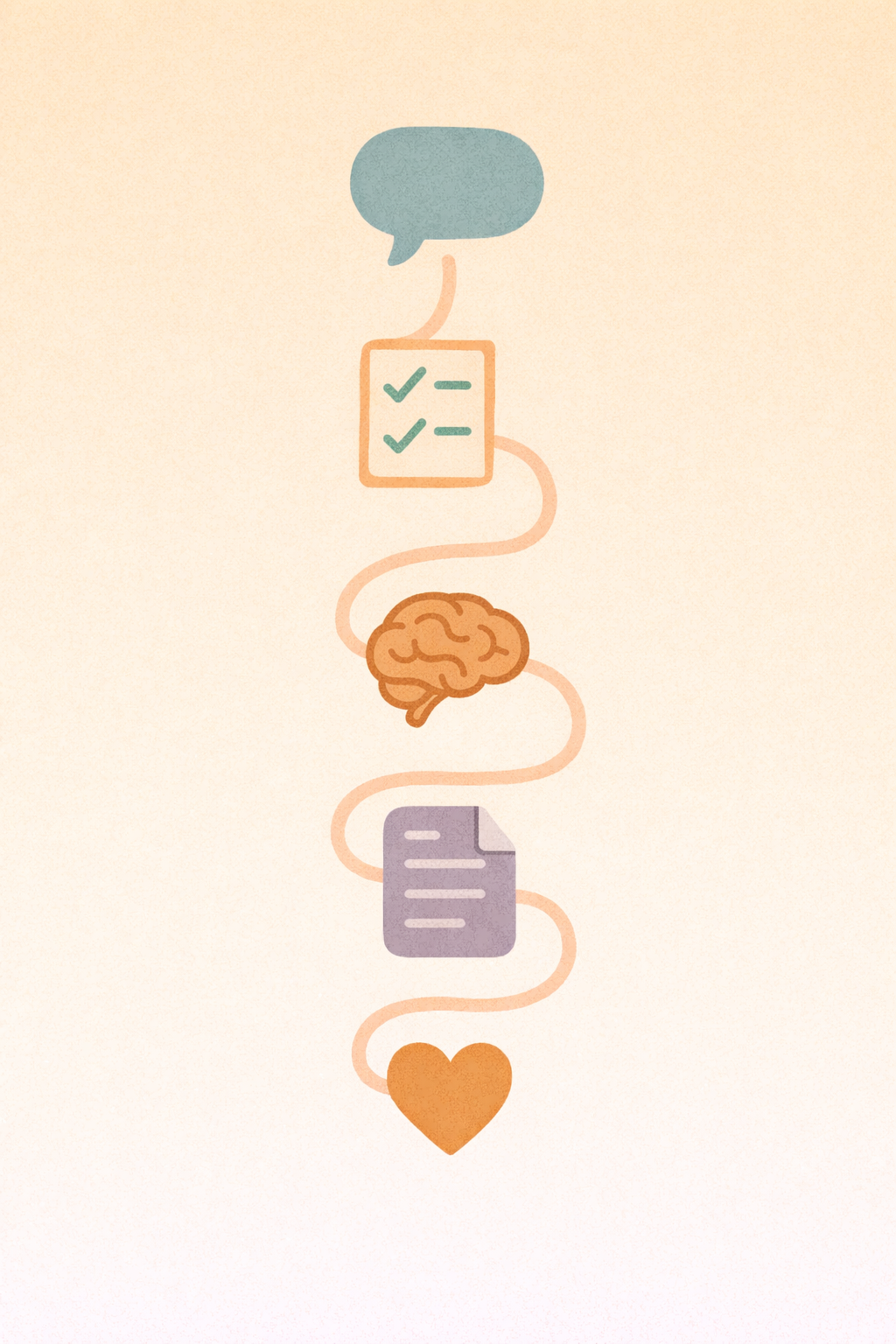
The Evaluation Process
Initial Consultation
We begin with a conversation to understand your goals, concerns, and questions, and to determine whether an evaluation is the right fit.Intake & Collateral Interviews
We gather background information through questionnaires and interviews (e.g., parents, caregivers, or other relevant supports when appropriate).Direct Testing Sessions
Assessment sessions are paced thoughtfully, with flexibility built in to support regulation, engagement, and authenticity.Personalized Written Report
You receive a clear, strengths-based report with diagnostic conclusions (when applicable), practical recommendations, and next steps.Feedback Session
We review results together, answer questions, and discuss how to use the findings for support, accommodations, and advocacy.

The Outcome
You’ll receive:
A comprehensive, jargon-free report that explains findings clearly
Actionable recommendations for school, home, or the workplace
A follow-up consultation to walk through results and next steps
Why It Matters
When evaluations are done through a neuroaffirming lens, they can help build self-understanding and confidence, not shame or confusion. They can open doors to support, advocacy, and accommodations, while honoring the person behind the profile.